
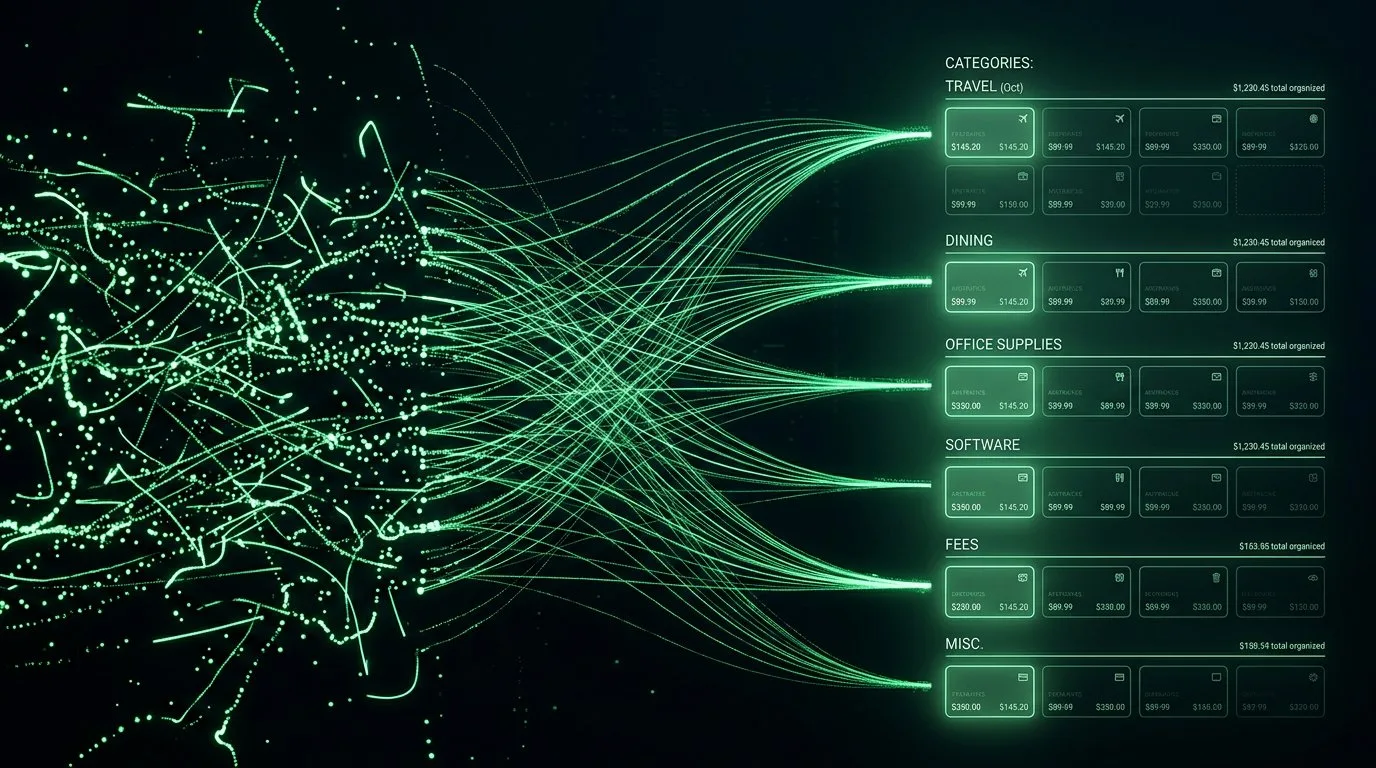
How to Track Expenses in 2026: The Complete Guide (Every Method Ranked)
Why Tracking Expenses Matters (And Why Most People Quit)
The data is clear: people who track expenses save 15-20% more than those who do not. Awareness alone changes behavior. When you see where your money goes, you naturally start redirecting it.
But here is the problem: 85% of people who start tracking expenses quit within 3 months. Not because tracking does not work — but because most tracking methods require too much effort for too little insight. Manual entry is tedious. Spreadsheets are boring. And looking at pie charts of past spending does not change future behavior.
The key is finding a tracking method that fits your life — not one that adds another chore to your day.
Every Expense Tracking Method — Ranked
1. Manual Pen and Paper (Effort: High, Insight: Low)
The oldest method. Write down every purchase in a notebook. Some people swear by the tactile awareness it creates. But compliance drops dramatically after the first week. You will forget entries, lose the notebook, and eventually stop. Best for: People who genuinely enjoy journaling. Worst for: Everyone else.
2. Spreadsheets — Excel or Google Sheets (Effort: High, Insight: Medium)
More organized than pen and paper. You can create formulas, charts, and categories. But manual data entry is still required, and the analysis only happens when you sit down to review — which becomes less frequent over time. Best for: Data enthusiasts who enjoy building systems. Worst for: People who need insights without effort.
3. Bank App Spending Features (Effort: Low, Insight: Low)
Most banking apps now categorize your transactions automatically. Zero effort required — it is built into the app you already use. But the categories are often wrong, the insights are surface-level, and it only tracks spending on that one account. Best for: People who want basic awareness with zero setup. Worst for: Anyone with multiple accounts or wanting behavioral insights.
4. Traditional Budget Apps — YNAB, Mint, Monarch (Effort: Medium, Insight: Medium)
These apps connect to your bank accounts, auto-categorize transactions, and provide dashboards. YNAB requires active budgeting (assigning every dollar a job). Monarch and others are more passive. They are good at showing what you spent but limited at explaining why. Best for: People who want organized financial data and enjoy the process. Worst for: People who have tried budget apps before and quit.
5. Receipt Scanning Apps (Effort: Medium, Insight: Medium)
Snap a photo of your receipt and the app extracts the data. Useful for cash purchases and detailed line-item tracking. The friction of photographing every receipt reduces compliance, though AI has made the scanning much faster. Best for: Cash-heavy spenders, people who want line-item detail. Worst for: People who primarily use cards (bank sync is easier).
6. Behavioral Finance Apps — SpendTrak (Effort: Low, Insight: High)
A different category entirely. Instead of just tracking what you spent, behavioral apps analyze how and why you spend. SpendTrak combines AI receipt scanning (snap or email forward), behavioral pattern detection (autopilot spending, stress spending, habitual purchases), and precision intervention (one notification at the right moment). The effort is minimal because the system works silently. The insight is deep because it operates at the pattern level, not the transaction level. Best for: People who want to change their spending behavior, not just track it. Worst for: People who only need basic bookkeeping.
The Best Approach: Layered Tracking
The most effective expense tracking combines automation with behavioral awareness:
Layer 1 (Passive): Let your bank app or a connected app handle basic transaction categorization. This runs in the background with zero effort.
Layer 2 (Active, Minimal): Use receipt scanning for cash purchases and detailed tracking. SpendTrak's AI scanner makes this a 5-second task per receipt.
Layer 3 (Behavioral): Let a behavioral engine like SpendTrak analyze your patterns at a deeper level — identifying triggers, predicting overspending, and creating awareness at the moments that matter most.
This layered approach gives you complete financial visibility with minimal daily effort — and, crucially, the behavioral insight to actually change what you see.
Frequently Asked Questions
The best method depends on your goals. For basic awareness, bank app spending features require zero effort. For organized budgeting, apps like YNAB or Monarch work well. For actual behavior change, behavioral apps like SpendTrak offer pattern-level insights that go beyond simple tracking.
No. The most important thing is awareness of patterns, not perfect record-keeping. Automated tracking through bank-connected apps handles most transactions. Add manual tracking only for cash purchases and receipt details.
For pure ease of use, SpendTrak requires minimal input — scan receipts or forward email receipts, and the behavioral engine handles the rest. Unlike traditional trackers that require daily categorization, SpendTrak works silently in the background.
Stop Tracking. Start Changing.
SpendTrak uses behavioral AI to detect your spending patterns and intervene at the right moment. Not advice. Not judgment. Just a mirror.

Part of the SpendTrak Spending Psychology Library
Read the Complete Spending Psychology Guide →